Kosoba Ardia

How to use
EF Polymer

No additional equipment required

EF Polymer integrates directly into existing agricultural practices without altering work methods or requiring specific equipment. The product is easy to apply, either mixed with water or placed directly along the planting line at sowing or planting.

Application protocols are deliberately simple, repeatable, and adaptable to each crop type. EF Polymer can be applied manually or mechanically, enabling rapid implementation without additional investment, while optimizing water retention and crop efficiency.

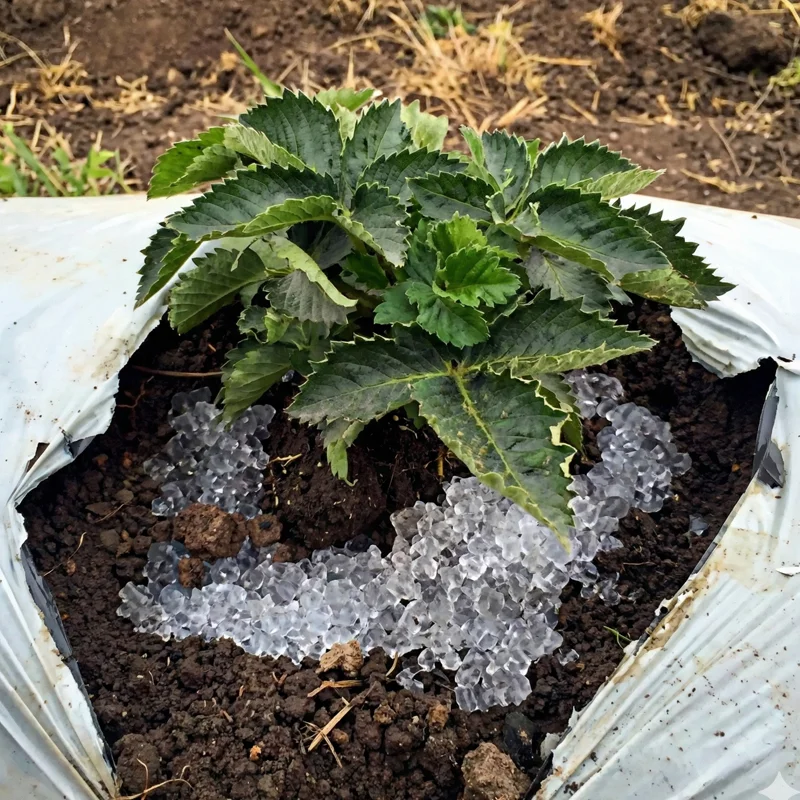
EF Polymer application

Mechanized soil incorporation of EF Polymer

For manual application

Pour le Maraîchage: tomate, poivron, haricot, Melon, etc / à la plantation

  • Preparation:
    Dig the planting hole or open the furrow along the sowing line.
  • Dosage:
    Apply the defined dose.
  • Mixing (critical):
    Do not leave the polymer in a “pile” at the bottom. Lightly mix it with some soil at the bottom of the hole. Why? If the polymer is pure, when it swells it may lift the young plant and expose the roots.
  • Planting:
    Place the root ball or seedling in position.
  • Backfilling:
    Cover with soil.
  • Activation:
    Irrigate immediately and generously to fully saturate the polymer (initial swelling).

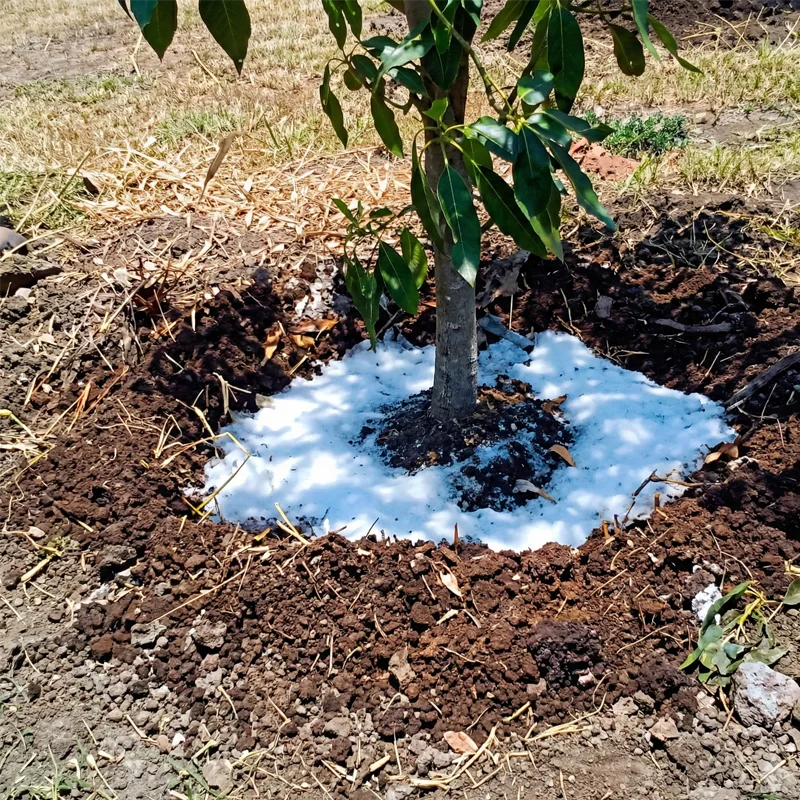
For existing orchards (argan trees, citrus, olive trees, etc.)

For trees already in place, the product cannot be applied under the root ball. Active roots must be targeted.

  • “Trench” method (ring method): Dig a trench 20–30 cm deep in a circle around the tree, at the canopy drip line (where leaves fall, this is where the fine absorbing roots are located).
  • Alternative “Trous”: Make 4 to 6 holes with an auger or a spade around the tree, under the existing drip emitters.
  • Application: Mix EF Polymer with the excavated soil (or with organic compost).
  • Refilling: Put the soil + polymer mixture back into the holes or trenches.
  • Irrigation: Ensure that the drip emitters irrigate directly above the treated zones.

Mechanized application: for Agriculture 4.0 and large-scale farming

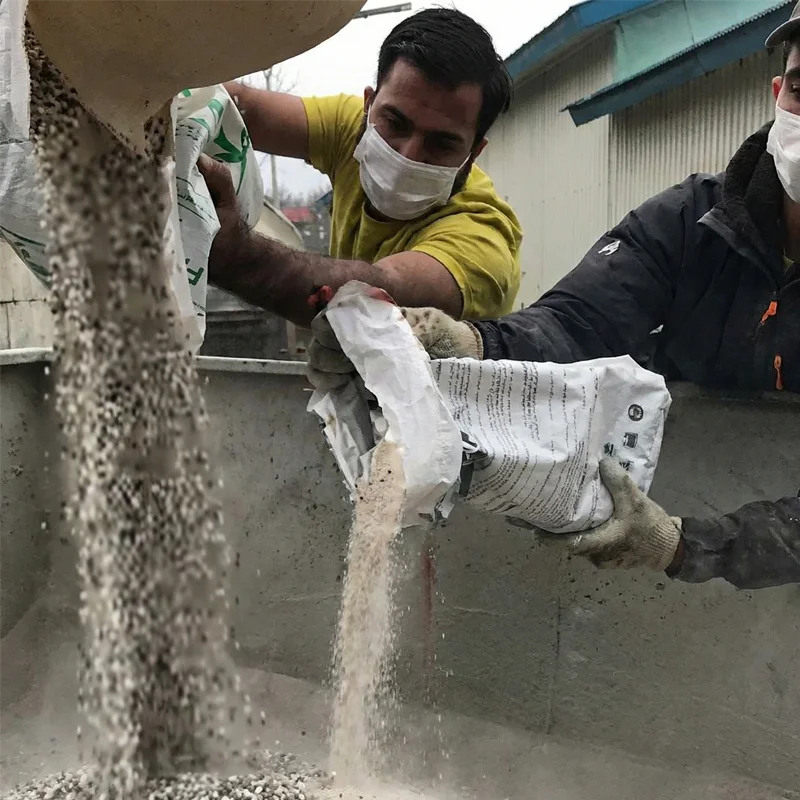
With a fertilizer spreader / open field

  • Method: EF Polymer (granules) can be physically mixed with base fertilizers (granular NPK) or with seeds.

  • Adjustment:
    Calibrate the spreader opening for the product.

  • Action:
    Spread on the soil before the final tillage pass, then use an implement (harrow, disc harrow) to incorporate the product at a depth of 10–15 cm.

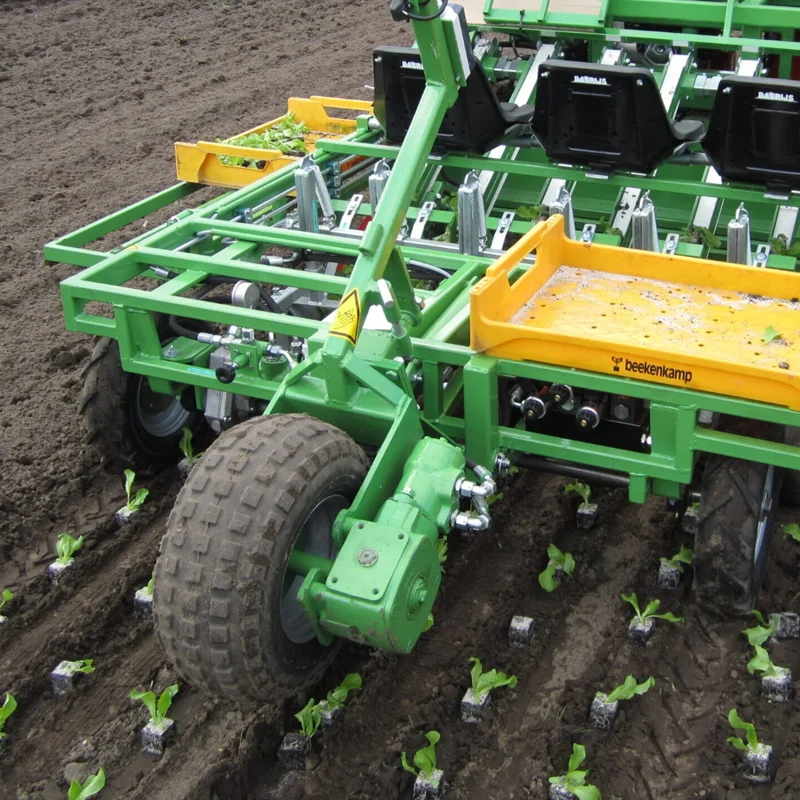
With a planter / ridger (industrial vegetable farming)

  • Equipment:
    The machine that forms raised beds (ridges) or the automatic planter.

  • Adaptation:
    Use the hopper normally intended for micro-granular fertilizer or soil insecticide.

  • Process:
    The machine places the polymer at the core of the bed during its formation, just before laying the plastic mulch and the drip irrigation line.

  • Advantage:
    The polymer is perfectly positioned at the center of the bed, where roots will develop.

Learn more about the benefits of EF Polymer

Up to 20% less fertilizer

By maintaining moisture in the root zone, EF Polymer improves nutrient availability. Fertilizer requirements are reduced by 20% without compromising crop performance.

Up to 40%* water savings

EF Polymer retains water close to the roots and limits losses through infiltration and evaporation. Farmers reduce their water input by a proven 20–25% and up to 40%, depending on crops and soil conditions.

Significant additional yield

The use of the polymer optimizes water resource allocation, enabling the plant to redirect energy toward fruit production rather than root development, resulting in significant gains (e.g., for tomatoes: +46% marketable yield).

100% biodegradable within 12 months

Unlike synthetic polymers, EF Polymer fully degrades in approximately one year, without microplastics or residues. It improves soil structure and organic matter, making it fully compatible with sustainable agriculture.